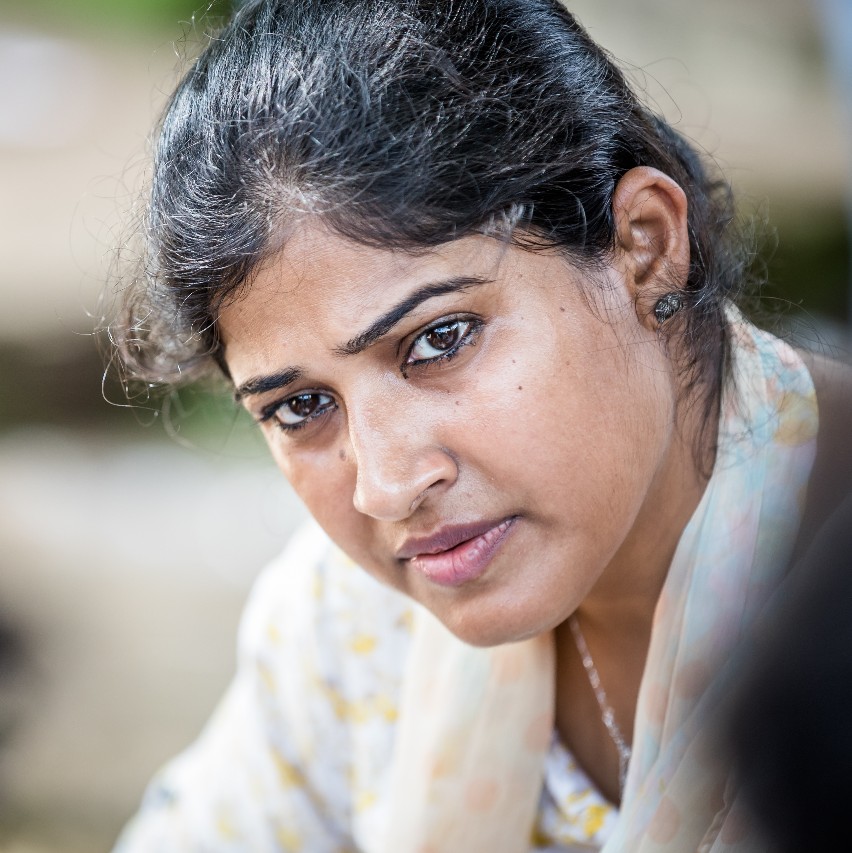
Dr. Sushree Sangita Mohanty is an applied anthropologist and educator whose work bridges the domains of multilingual education, Indigenous language revitalisation, and inclusive heritage management. With 14 years of experience spanning academic research, public policy, and community-based projects, she has led pioneering efforts in culturally grounded education and knowledge systems in India and internationally.
She is the Founder and Director of the Ekkathaa Welfare Foundation, a platform committed to Indigenous cultural sustainability and community-responsive knowledge production. As a UNESCO Inclusive Policy Lab Expert, Dr. Mohanty contributes to global dialogue on inclusive education and linguistic diversity, designing policies that centre Indigenous worldviews, language rights, and participatory models of research.
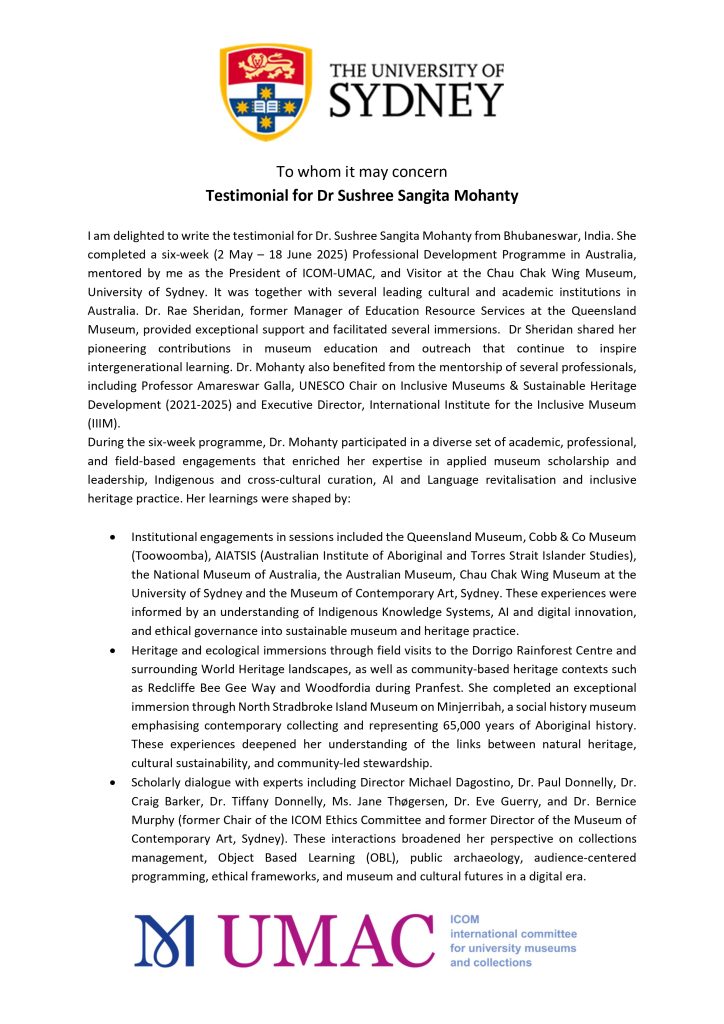
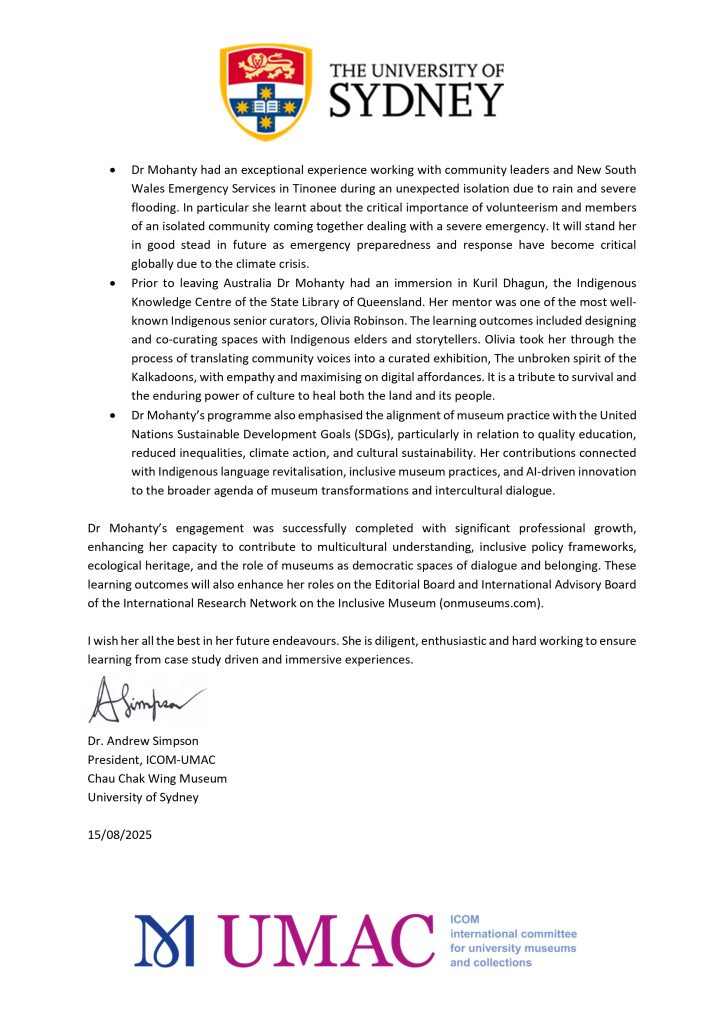
In 2025, Dr. Mohanty was awarded a Professional Development Fellowship at the University of Sydney, where she designed and implemented an Object-Based Learning (OBL) programme at the Chau Chak Wing Museum. This fellowship deepened her engagement with Indigenous research methods, digital heritage, and museum pedagogy, while strengthening intercultural collaboration between Australia and India.
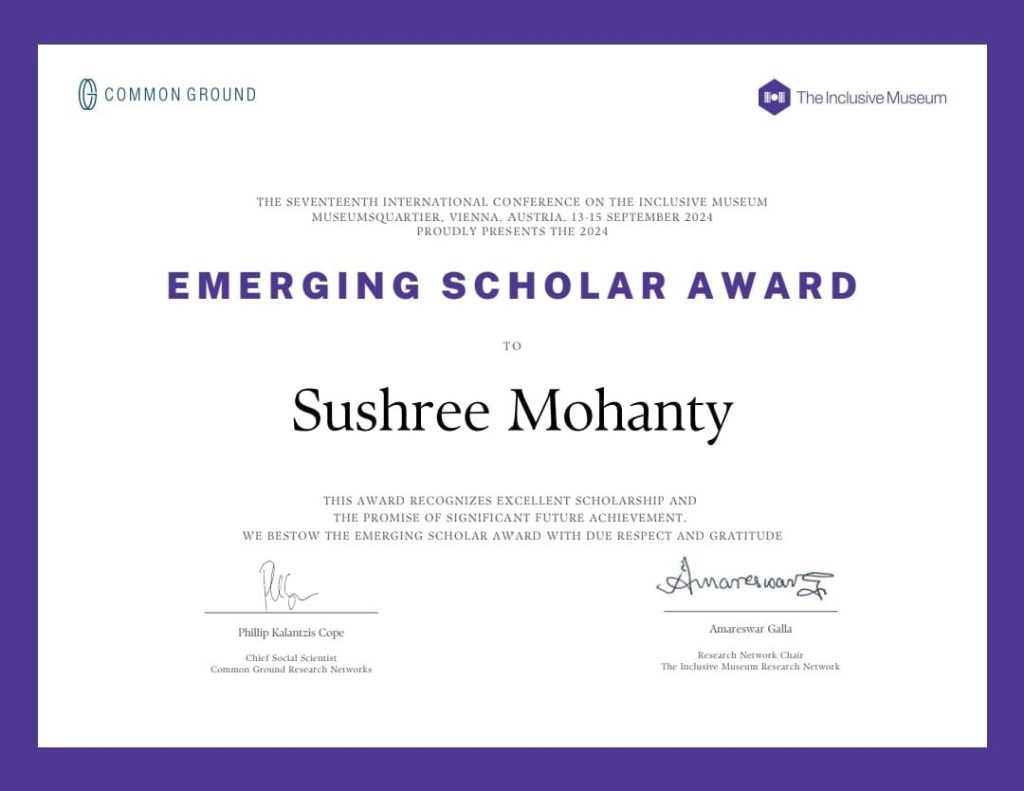
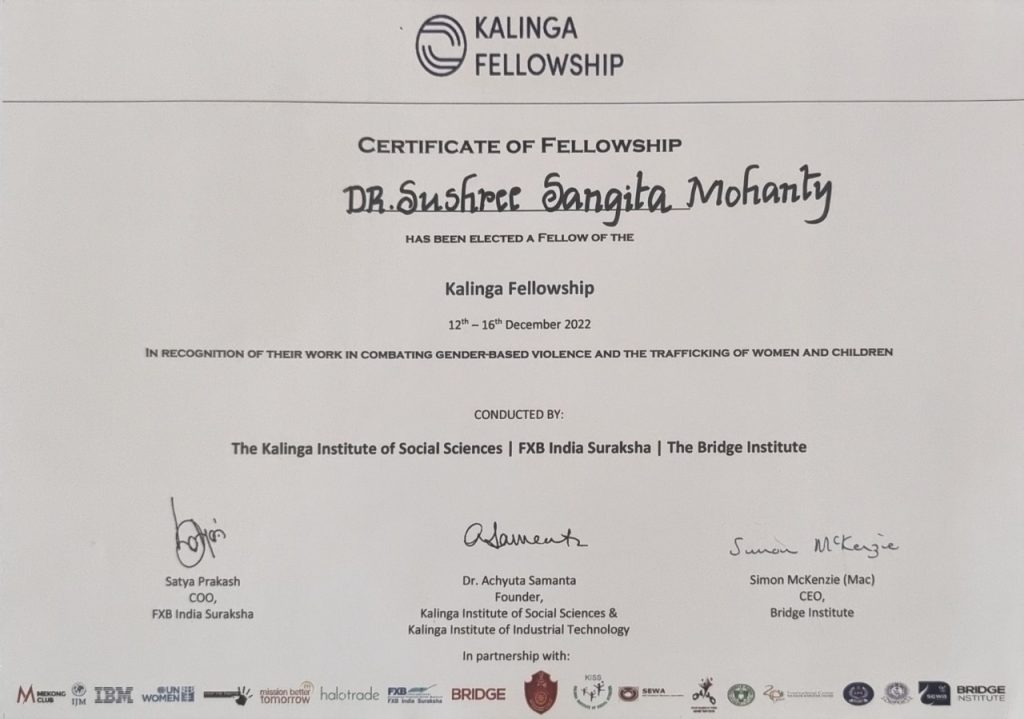
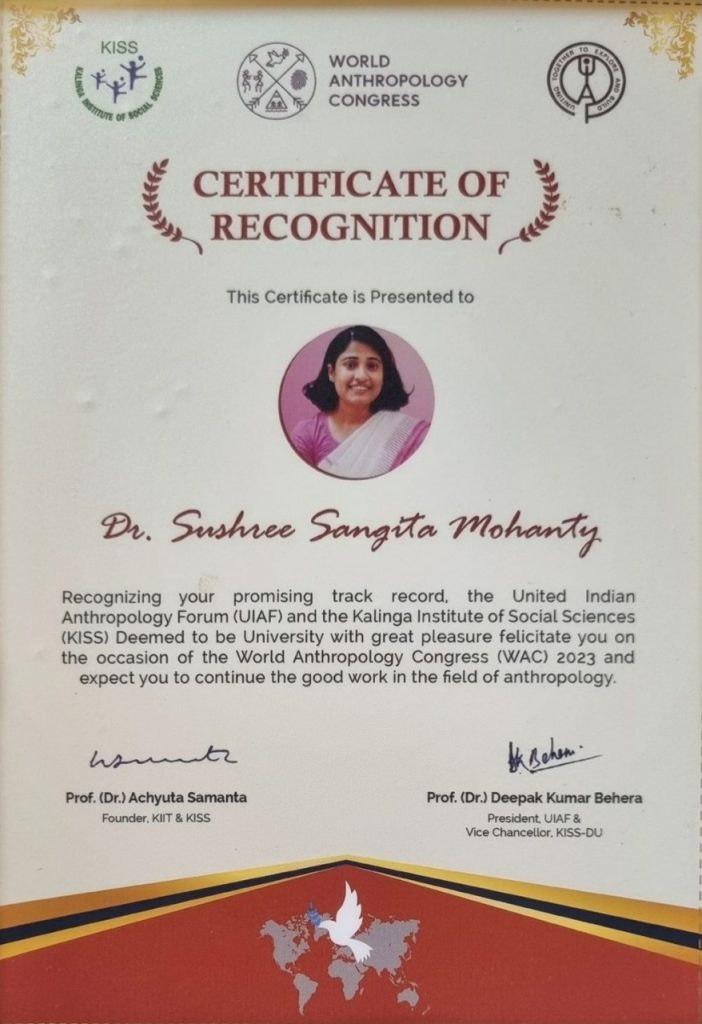
Trained in anthropology, she holds a Master’s, M.Phil., and Ph.D. from the University of Hyderabad, with fieldwork focused on tribal communities in Odisha. Her work has earned international acclaim, including the UNESCO King Sejong Literacy Prize (2022) for the Mother Tongue Based Multilingual Education (MTB-MLE) programme she led at the Kalinga Institute of Social Sciences. She is also the recipient of the Kalinga Fellowship (Bridge Institute, UK, 2022), the Emerging Anthropologist Award (World Anthropology Congress, 2023), and the International Emerging Scholar Award (Common Ground Research Network, USA, 2024).
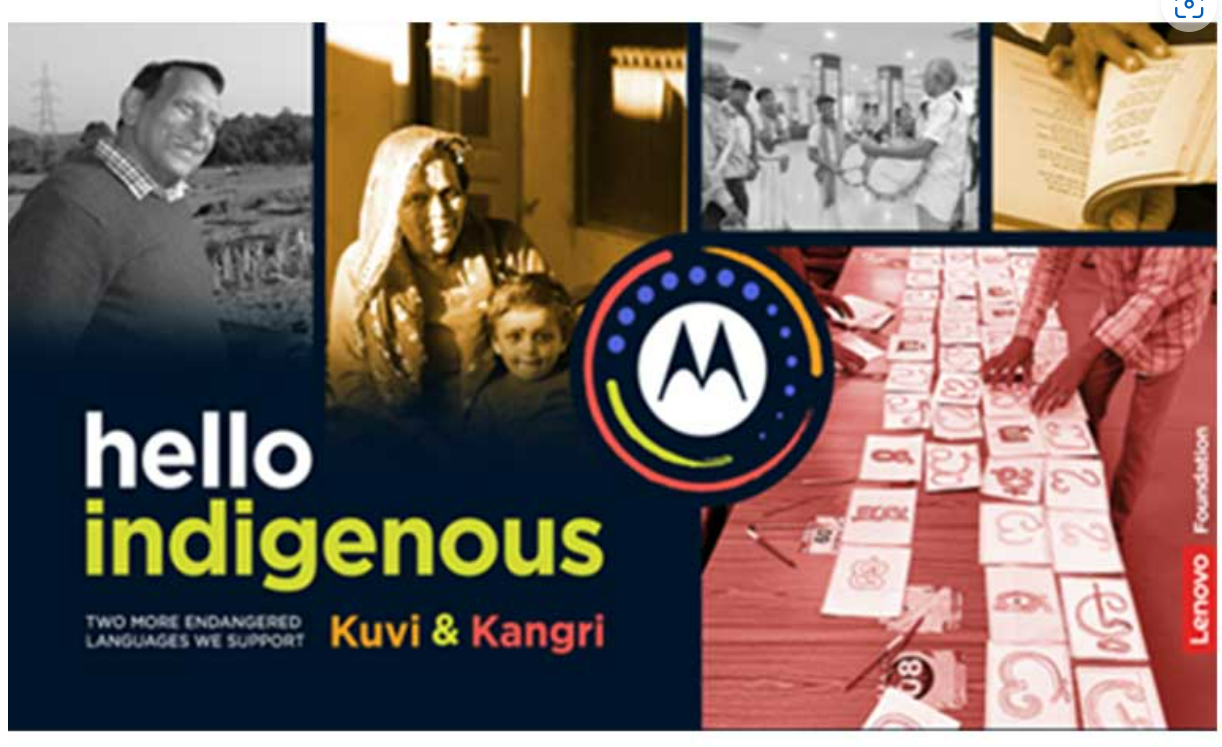
Dr. Mohanty has led over 15 interdisciplinary projects across sectors including AI for endangered languages, early childhood education, and digital heritage. She developed India’s first Unicode-compliant Kuvi writing system, integrated into Motorola mobile devices. Her work includes the creation of over 40 teaching aids and training modules in Indigenous languages, the design of trilingual animated learning tools, and the visual documentation of Particularly Vulnerable Tribal Groups (PVTGs) for curriculum development.
She has held academic leadership roles at KISS Deemed University as Co-Director of Project K-MUSE and Head of the Centre for Indigenous Languages & Narratives, where she led initiatives on policy development, community knowledge integration, and intercultural pedagogy.
Dr. Mohanty serves on the editorial board of the International Journal of the Inclusive Museum (SCOPUS/Web of Science) and has authored and edited several books, primers, research papers, and training manuals. Her interdisciplinary work advances ethical, collaborative, and plural frameworks for knowledge co-creation and representation.